

What Is the Difference Between a Will and a Trust?
When planning your estate, one of the most important decisions you’ll face is whether to create a will, a trust, or both. Each tool serves a distinct purpose in estate planning, and understanding the key differences can help you make the best decision for your family and your legacy. At Blackford Law, a trusted estate
Read More
The Benefits of a Maryland Revocable Trust in Avoiding Probate
When it comes to planning your estate in Maryland, one of the most effective strategies to ensure a smooth transfer of your assets is through a revocable living trust. Many Maryland residents are unaware of the complications their families may face if their estate must go through probate. In this guide, we’ll explain what a
Read More
Understanding the Legal Process for Declaring a Maryland Will Invalid
When a loved one passes away, it can be an emotional and challenging time. Things can become even more complicated if there are disputes about the validity of the deceased person’s will. In Maryland, there is a legal process in place for contesting a will, but it’s important to understand the steps involved, the grounds
Read More
The Role of Testamentary Trusts in Maryland Wills: Ensuring Future Financial Security
When planning for the future, many Maryland residents assume that a simple will is enough to ensure their loved ones are cared for. While wills are an essential part of estate planning, they do not always provide the structure and protection necessary for certain financial situations. That’s where testamentary trusts come in. What Is a
Read More
Understanding the Maryland Disclaimer of Interest Law
Estate planning in Maryland involves many legal tools and strategies to ensure assets are distributed according to one’s wishes. One such tool is the Disclaimer of Interest, which allows an individual to renounce their right to an inheritance or property interest. Understanding how this law works is essential for effective estate planning and asset protection.
Read More
The Process for Filing a Caveat to Contest a Will in Maryland
Contesting a will in Maryland involves a legal process known as a caveat proceeding. This process allows interested parties to challenge the validity of a will under specific circumstances. Understanding the steps and legal requirements is crucial for anyone considering such an action. What Is a Caveat Proceeding? A caveat proceeding is a formal objection
Read More
Understanding Payable on Death (POD) Accounts and Their Role in Maryland Estate Planning
What is a Payable on Death (POD) Account? A Payable on Death (POD) account is a financial account that allows the account holder to designate one or more beneficiaries who will receive the funds upon their death, bypassing probate. These accounts are commonly used for checking accounts, savings accounts, certificates of deposit (CDs), and money
Read More
How to Ensure Your Will Reflects Your Digital Legacy
Understanding Digital Assets and Their Importance A person’s online presence and assets have become just as important as physical and financial assets. From social media accounts and email to cryptocurrency and online businesses, your digital footprint holds significant value. Ensuring your will includes provisions for these assets is crucial to protecting your legacy and ensuring
Read More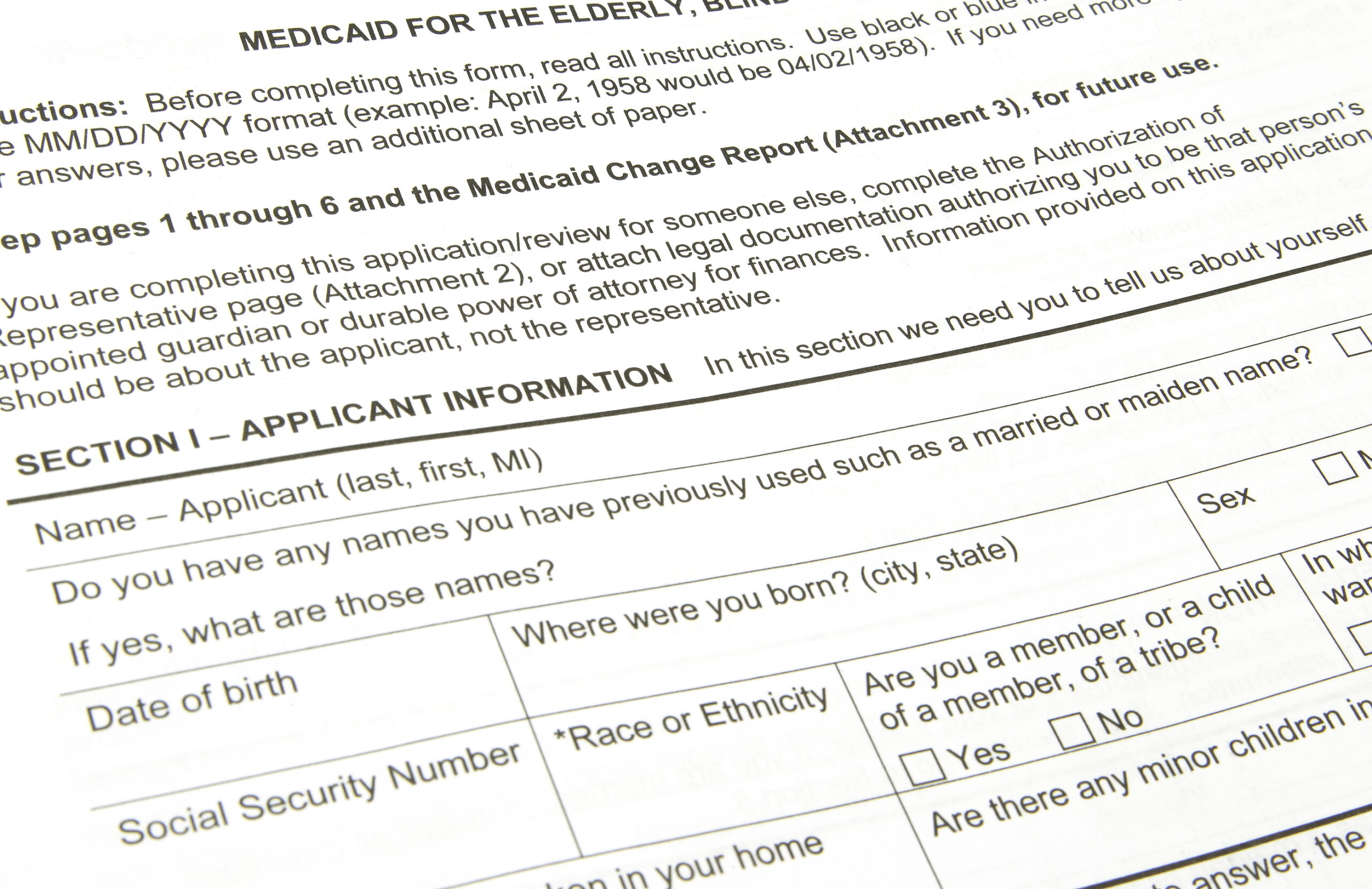
Planning for Long-Term Care in Maryland: Protecting Your Estate from Medicaid Recovery
Long-term care is an essential consideration for individuals and families in Maryland, especially as healthcare costs continue to rise. Planning ahead can help protect your assets from Medicaid recovery and ensure your estate is preserved for your loved ones. This guide will explain the basics of long-term care planning, how Medicaid recovery works, and why
Read More
How to Use a Qualified Terminable Interest Property (QTIP) Trust
When planning your estate, ensuring the financial security of your loved ones while maximizing tax benefits can be a complex challenge. A Qualified Terminable Interest Property (QTIP) Trust is a powerful tool for addressing these concerns, particularly for individuals in second marriages or with complex family dynamics. This guide explains what a QTIP trust is,
Read More
